20 Minutes of Meditation vs 4 Hours of Sleep: The Truth
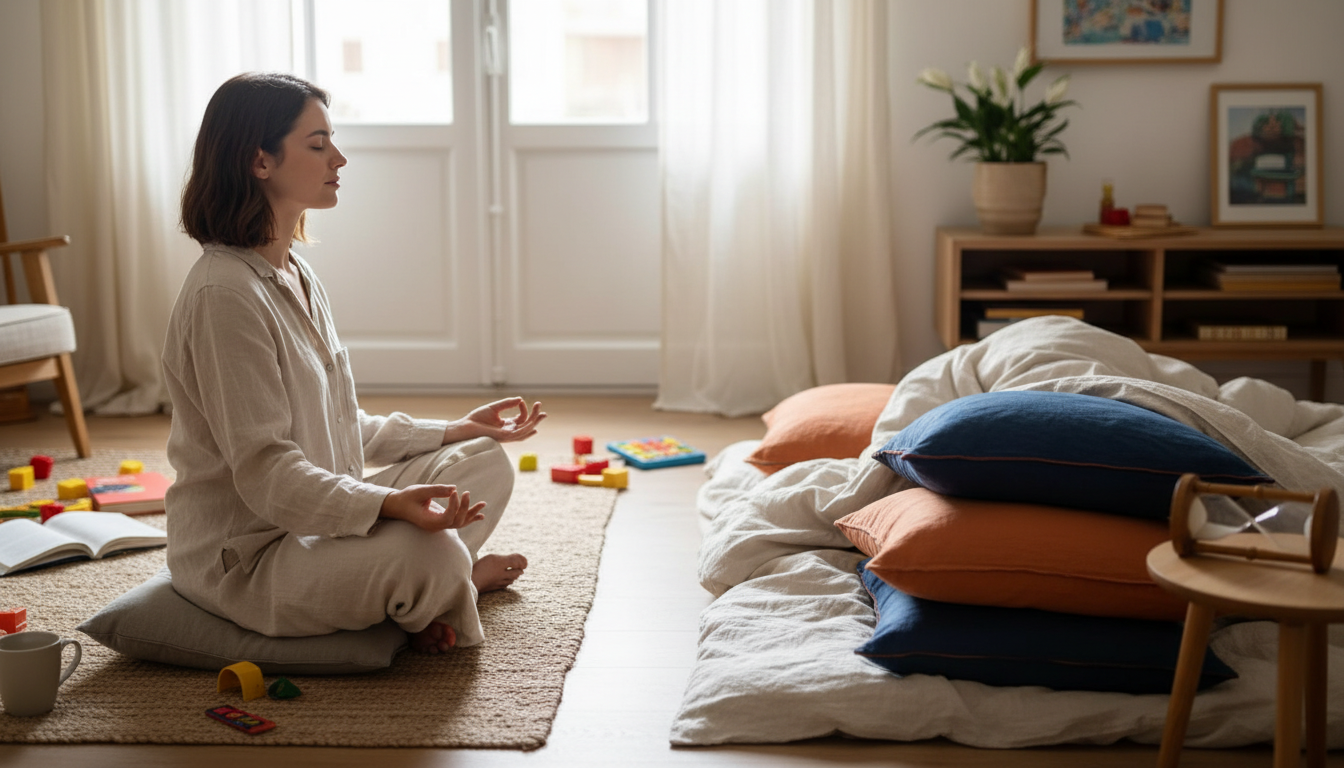
Is 20 Minutes of Meditation Equal to 4 Hours of Sleep?
No. A 20-minute meditation session can feel deeply restorative, but it doesn’t replace the full biological workload of sleep. Sleep includes multiple stages (light sleep, deep sleep, and REM) that handle physical repair, immune support, memory consolidation, emotional processing, and hormone regulation—processes meditation doesn’t fully replicate.
Why Meditation Can Feel Like “Extra Sleep”
Meditation can downshift the nervous system, reduce stress hormones, and relax muscle tension—especially if you’re coming from a high-stimulation day. That calmer state may deliver a noticeable boost in clarity and mood, similar to what people feel after a good nap. For some, 20 minutes of focused breathing or a body-scan practice can reduce the “wired but tired” feeling that makes fatigue feel worse than it is.
What Meditation Can Do Instead
While it’s not a direct swap for hours of sleep, meditation can support better sleep quality. Regular practice is linked with easier sleep onset, fewer nighttime awakenings for some people, and improved stress resilience. In practical terms, meditation is best used as a supplement: it can help you get more out of the sleep you do get, and it may help you recover a bit better during short-term sleep loss.
When the Comparison Can Be Misleading
The “X minutes equals Y hours” idea oversimplifies how recovery works. If you’re consistently short on sleep, meditation may reduce the perceived strain but won’t prevent the performance, reaction-time, and health impacts of ongoing sleep deprivation. If you’re trying to function on very little sleep, prioritize a real sleep window whenever possible.
For a deeper breakdown of how meditation and sleep differ—and how to use both strategically—visit the full guide here: https://catchyhitoasis.shop/is-minutes-of-meditation-equal-to-hours-of-sleep/.
FAQ
Can meditation help you fall asleep faster?
Yes, especially practices that slow breathing and relax the body. Doing 10–20 minutes before bed can reduce stress arousal and make it easier to drift off, though results vary by person.












Leave a comment